Sample first
Soot out, filter back on the road
DPF Cleaner Bottle 1 L: €12.50 excl. VAT · €15.38 incl. VAT
Prices excluding VAT. Invoice by email.
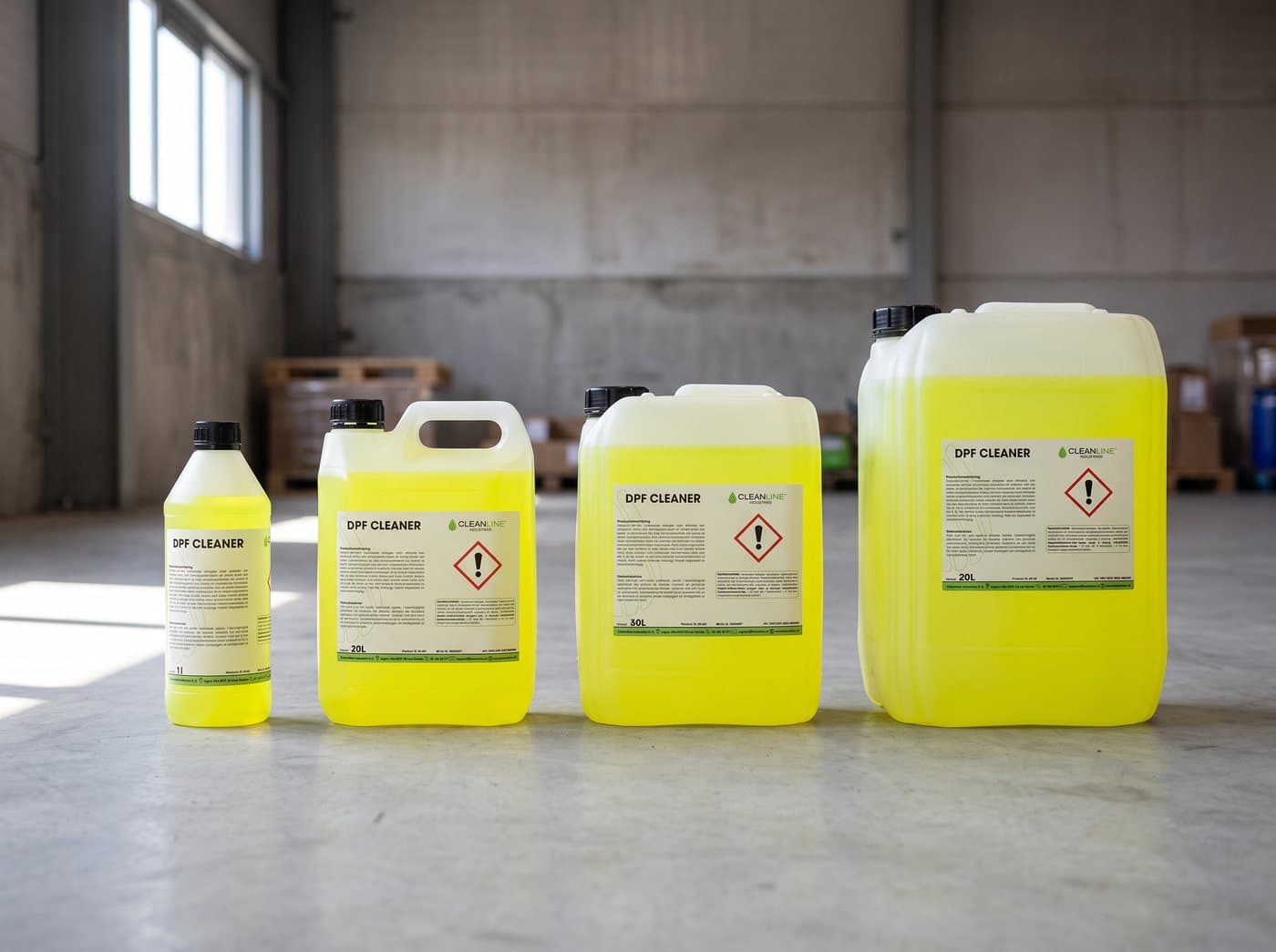
Our own production
Made in the Netherlands by Cleanline Industries
No foaming
Safe for the wash pump of your machine
Sheets included
Technical data sheet and safety data sheet
Secure payment
iDEAL, Bancontact, card and Klarna via Stripe
From the workshop
Best DPF cleaner I tried.
Since using this DPF Cleaner my business process became so much more fun and interesting. I recommend it to anyone who does DPF Cleaning for sure. At least try it out. They also do private labeling.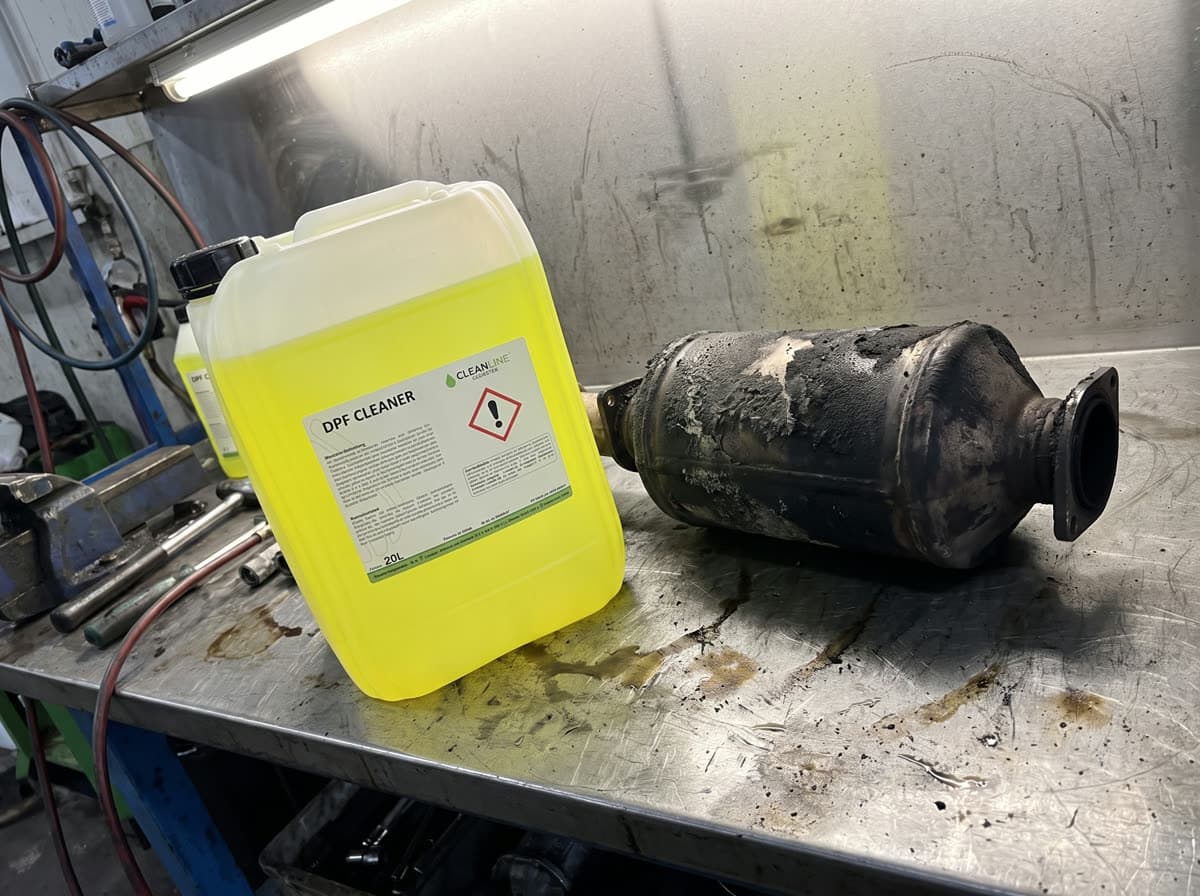
We run three to four filters a day. The dilution is on the board and the tank lasts a quarter; that is exactly what I want to know about a product.
 Filterservice Bleeker · Owner
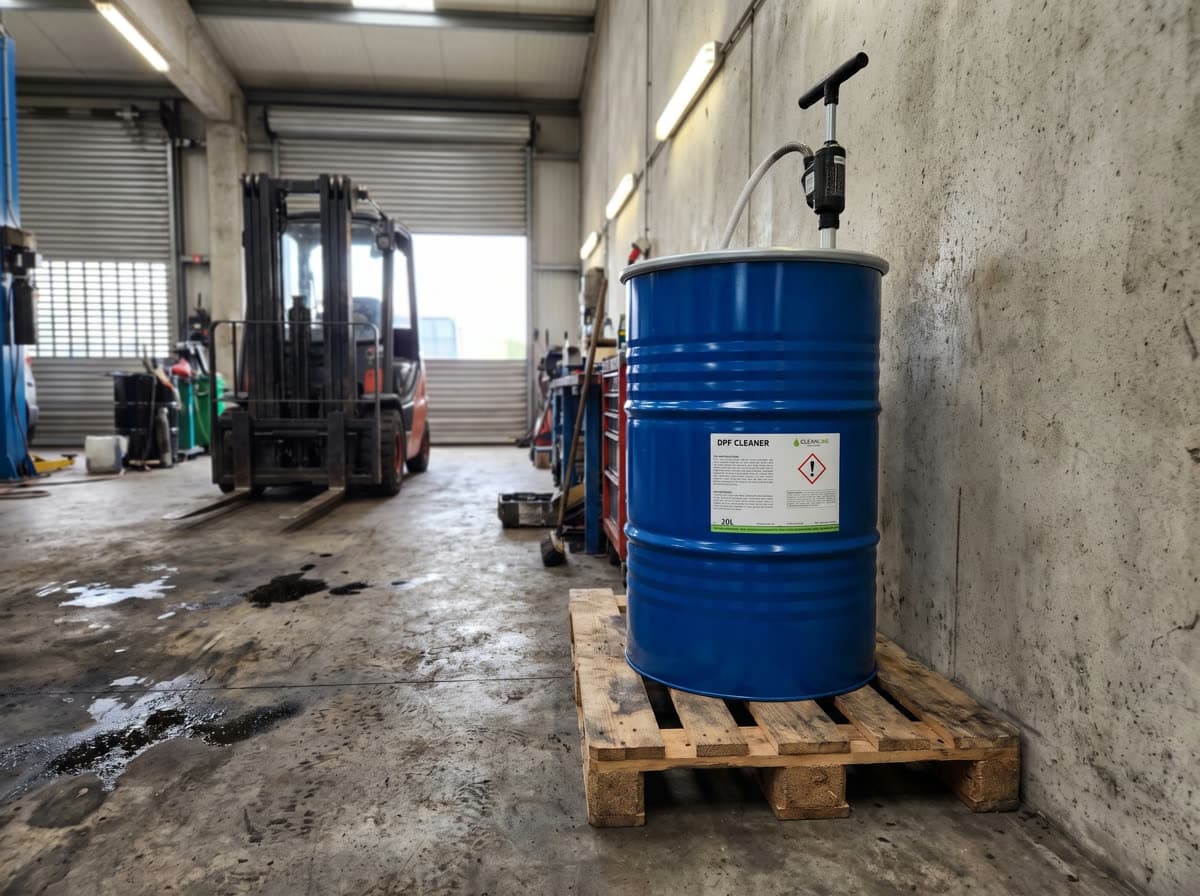
We used to send filters away and lose them for a week. Now we do them ourselves in between jobs and the car is back outside the same day.
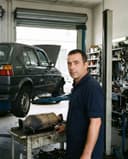 Autobedrijf Van Dael · Owner
A truck filter is an expensive item. Cleaning costs us an hour of machine time and a few litres of concentrate, and the back pressure is on the invoice.
 Truckservice Tervoort · Workshop manager
I drive the unit to the customer, so water is scarce and the product has to do the work. Two cans in the back and I can keep going all day.
 DPF Mobiel De Rooij · Field technician
The product
One concentrate,the wholefilter job.
DPF Cleaner is a water-based alkaline concentrate. It goes into the tank of your cleaning machine, dissolves the soot and rinses out. Also for catalysts, SCR units and loose parts with soot deposits.
Dissolves instead of scours
The concentrate breaks down the soot deposit, so you rinse it out rather than blow or scrape it out of the channels.
No foaming
It does not foam, and that is not a detail: foam in the tank makes the wash pump draw air and pushes the liquid over the rim. This stays liquid, even circulating under pressure.
Concentrate, so up to 1:10
One can makes a bath filling. Dilute 1:10 for normal fouling, 1:5 for filters that have run on for a long time.
We make it ourselves
Produced in the Netherlands by Cleanline Industries. The technical data sheet and safety data sheet come with it, and the formula can be adjusted.
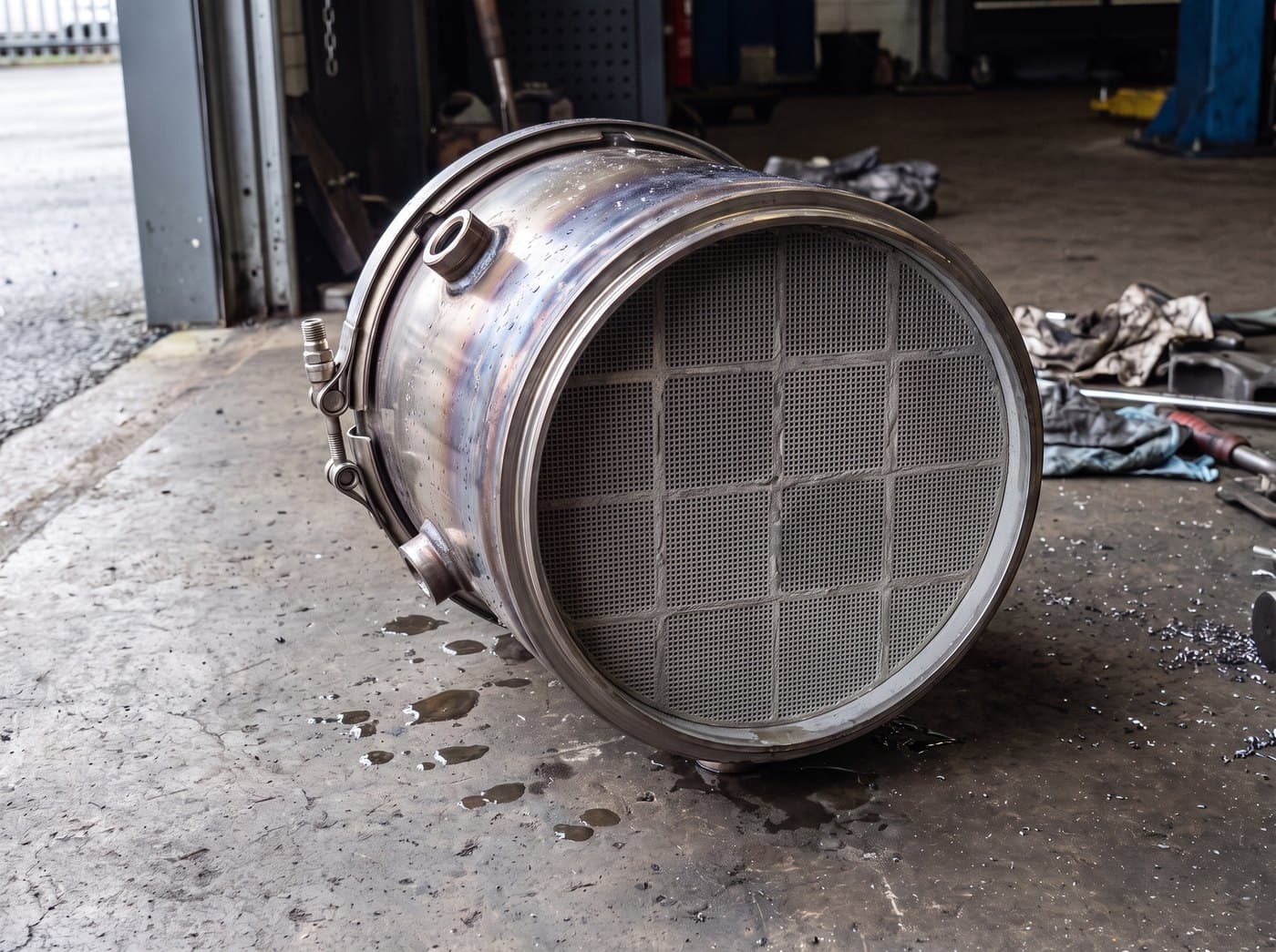
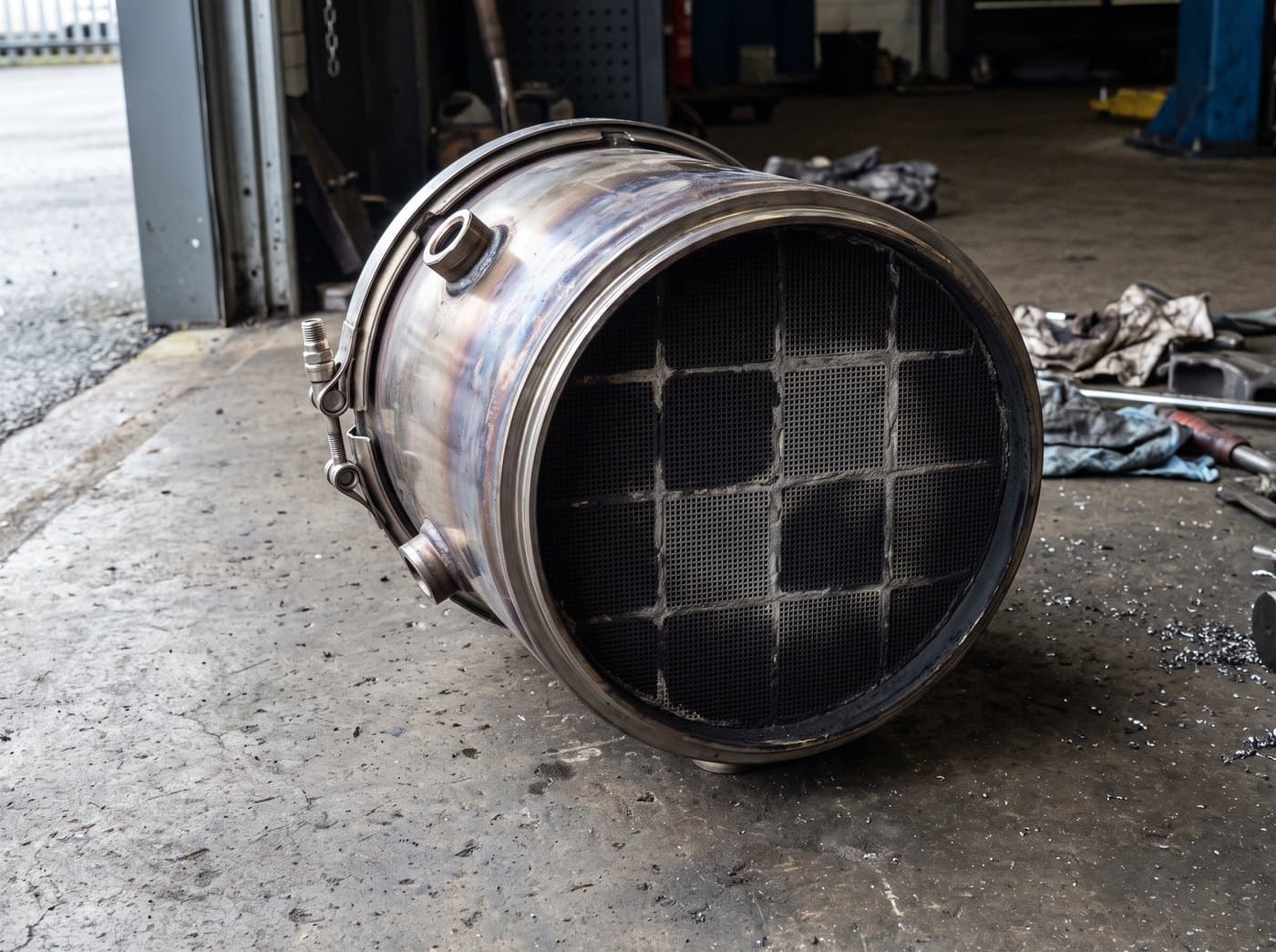
Before and after
The same filter, one wash later.
Drag the line to see the difference. On the left the filter as it came in, on the right after a programme with DPF Cleaner and a rinse with clean water.
From the workshop
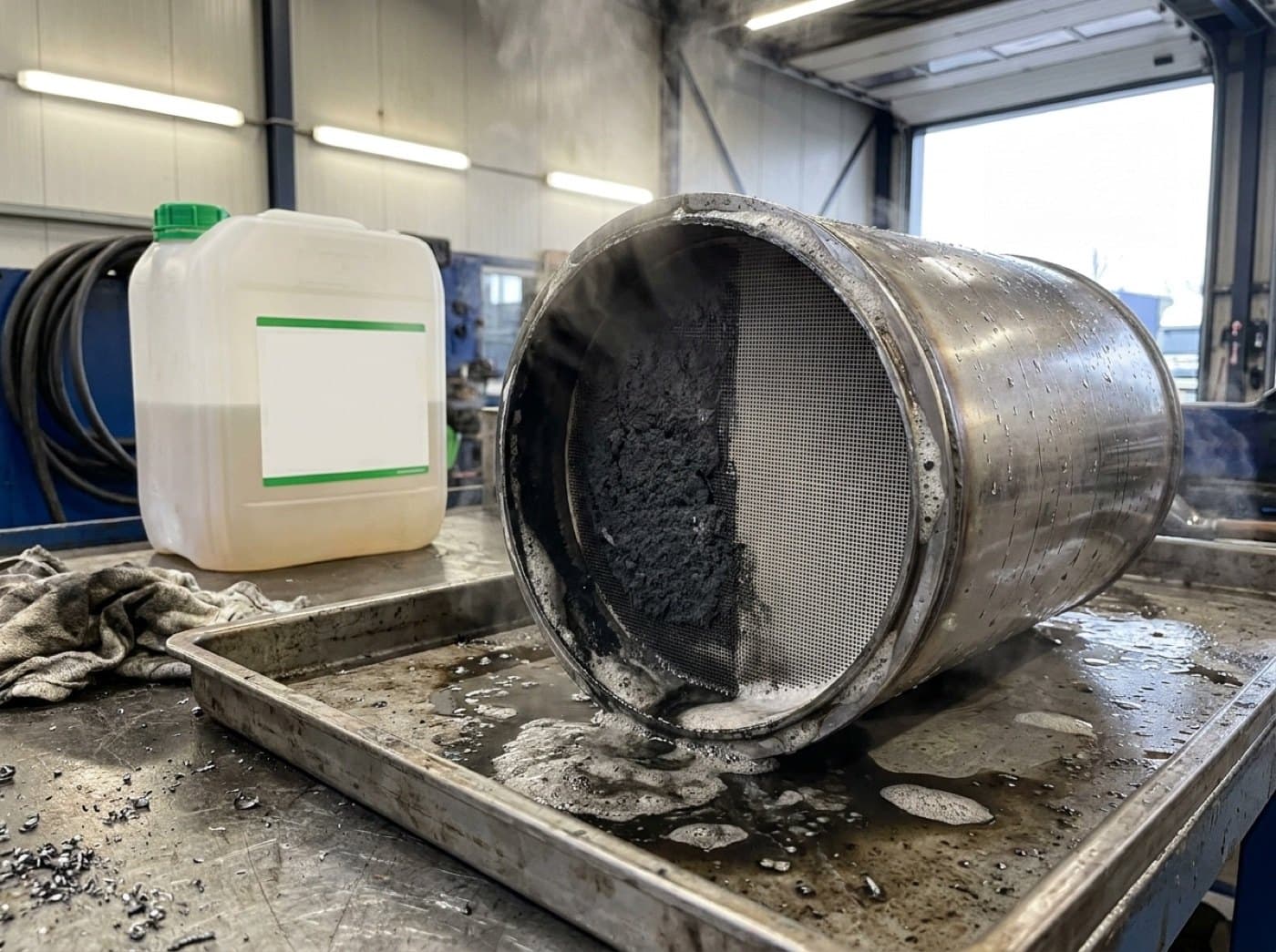
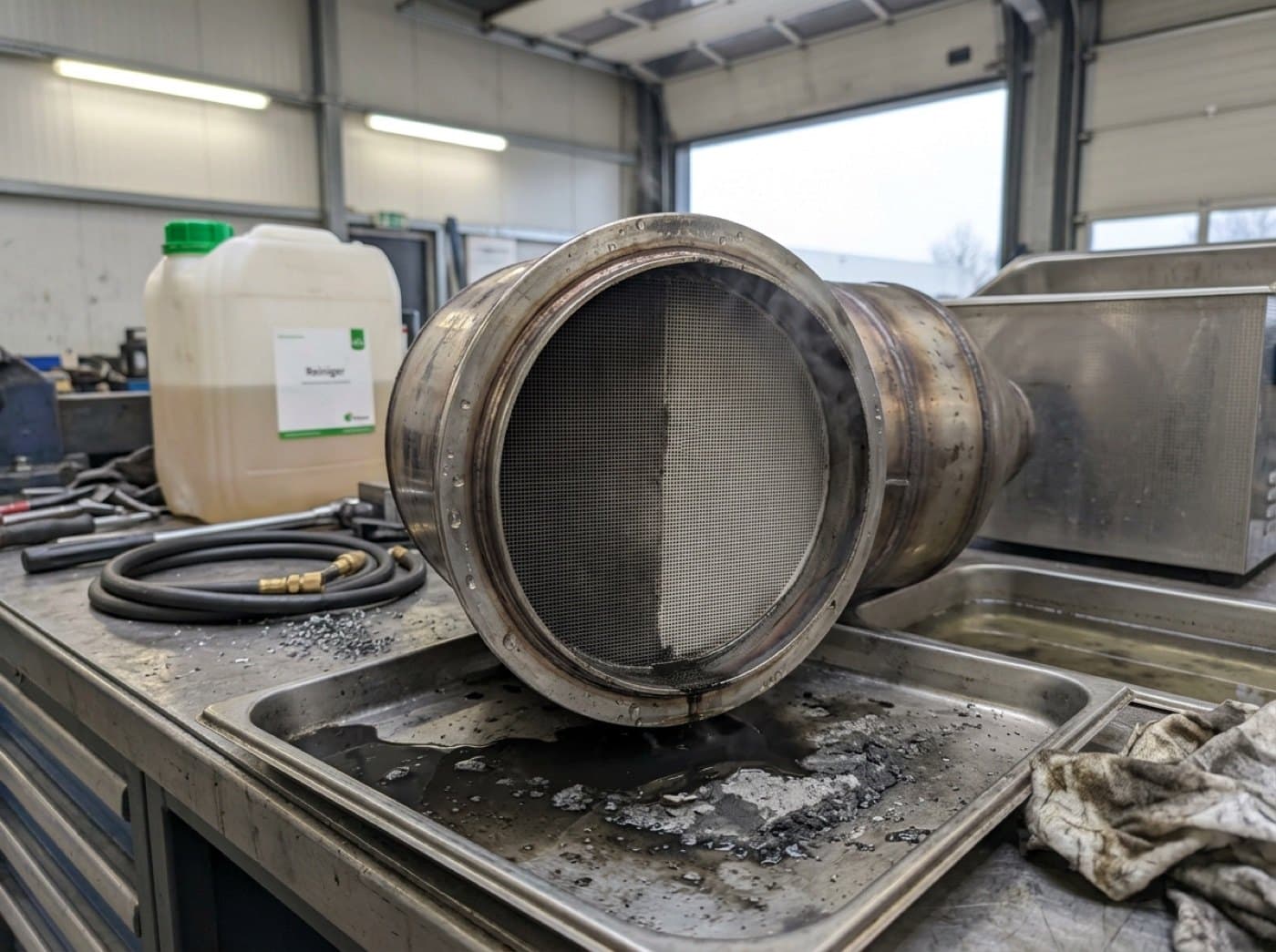
What comes out.
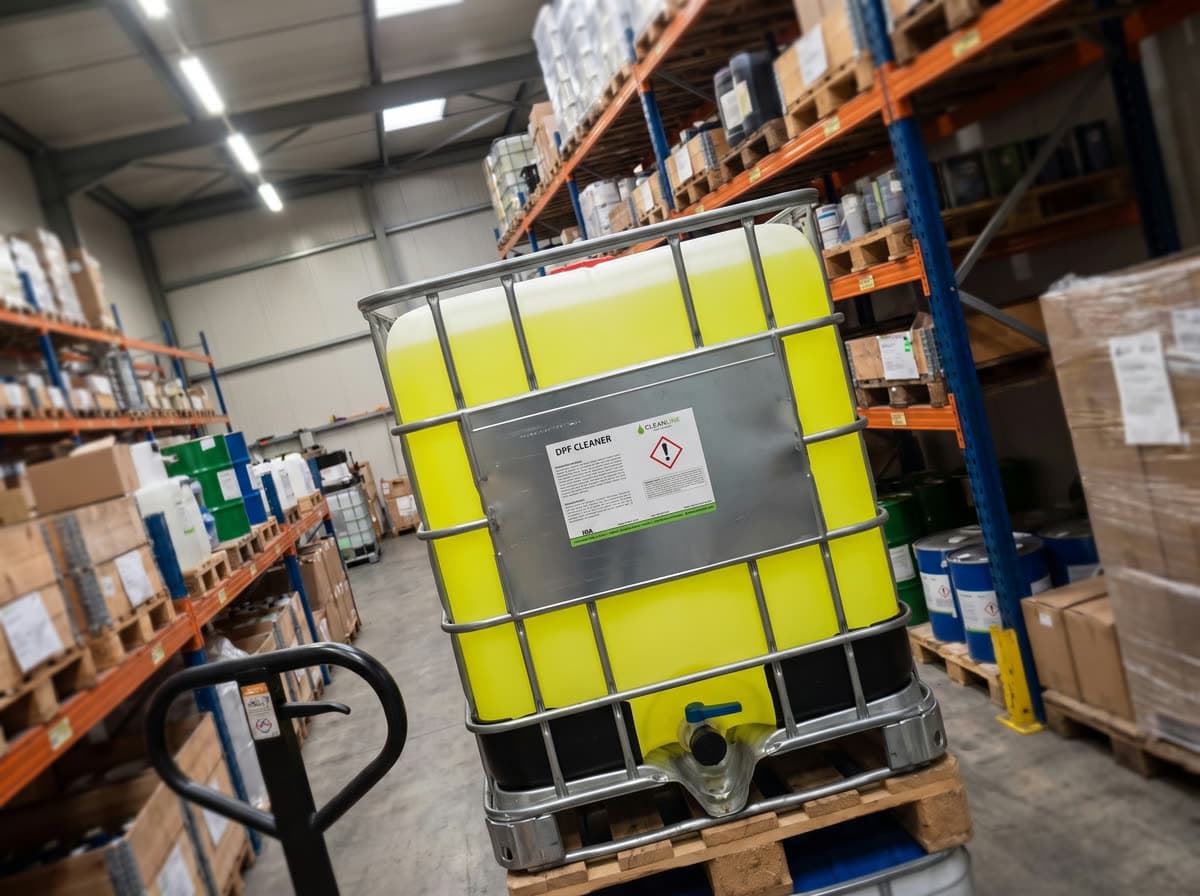
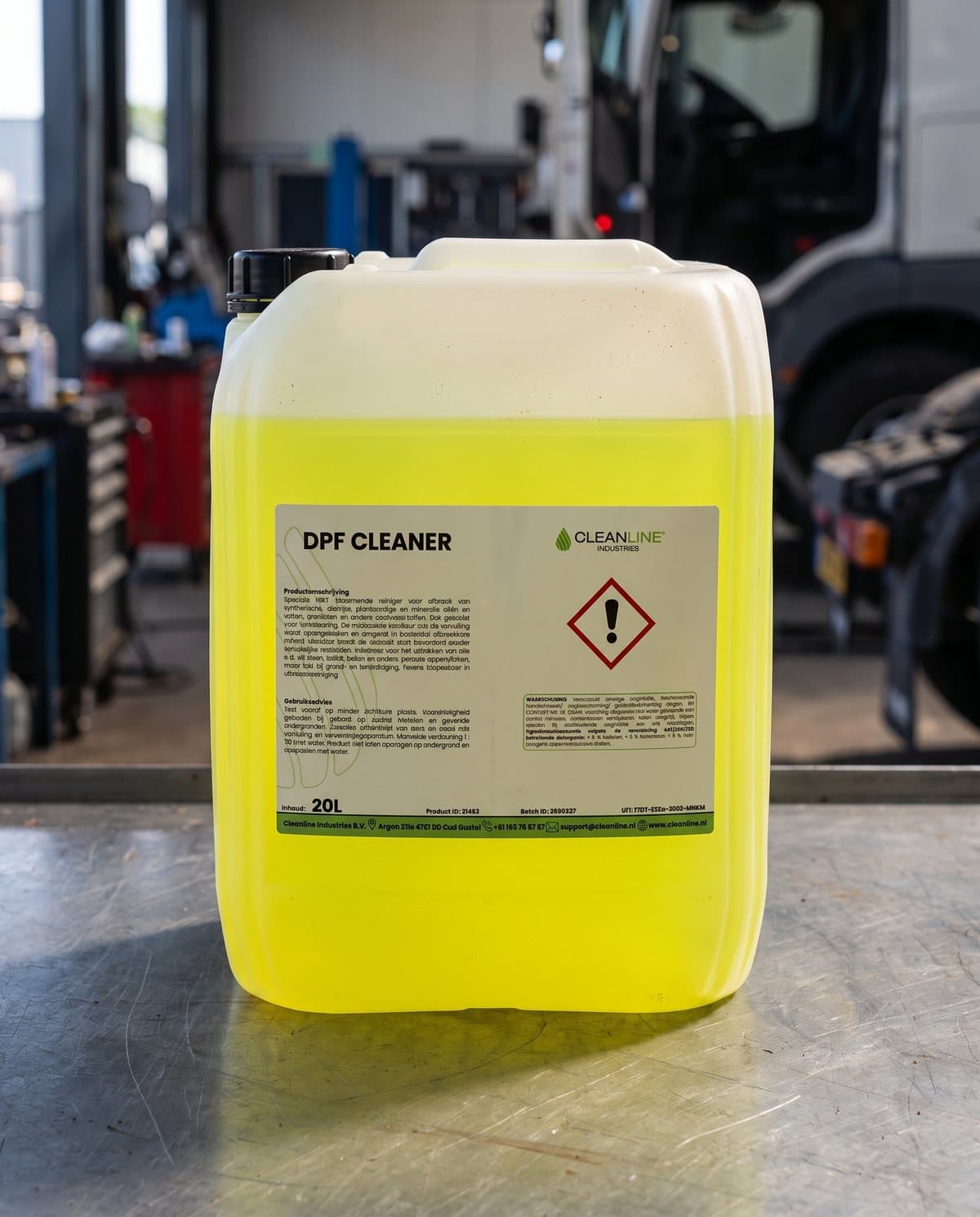
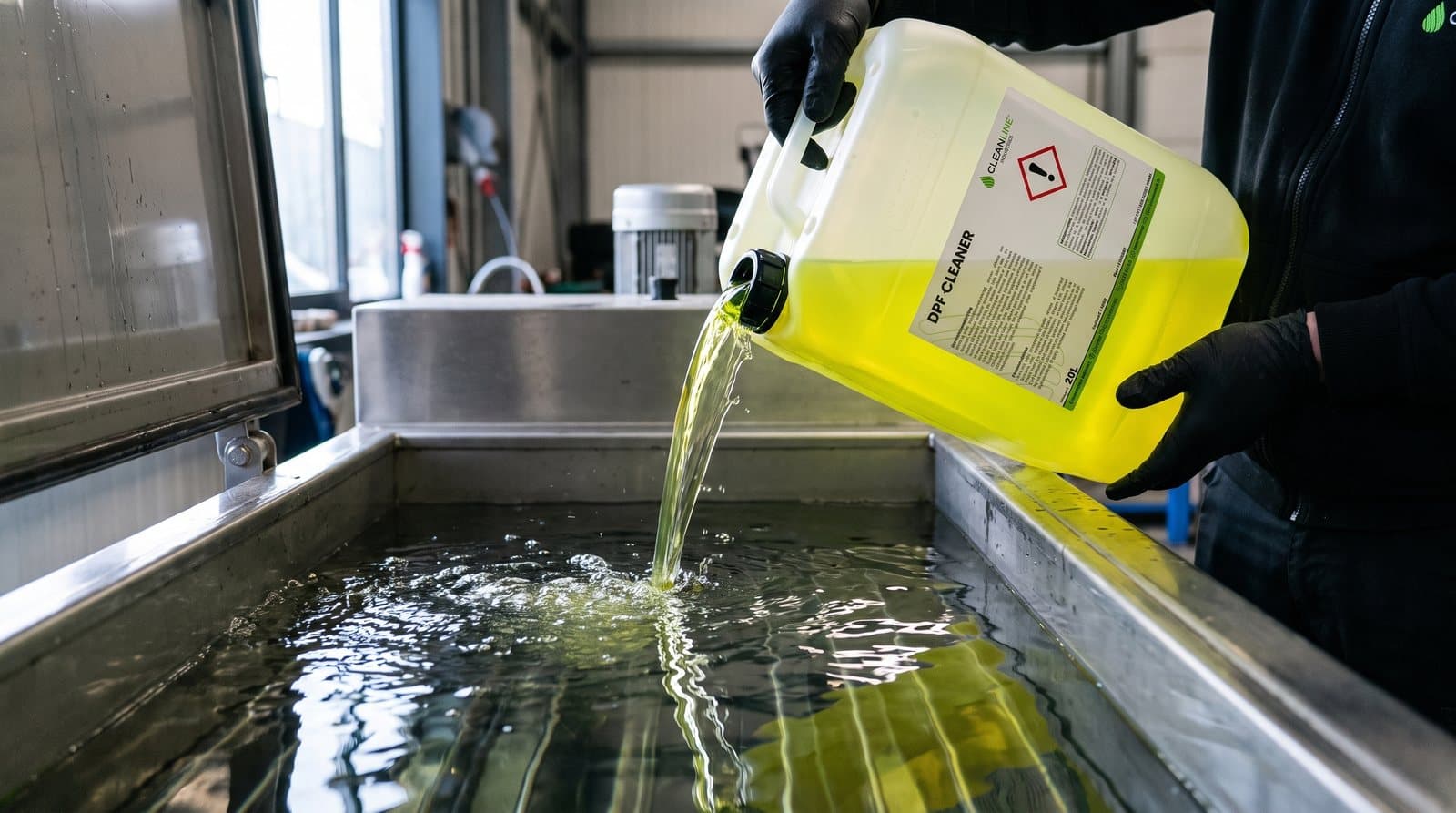
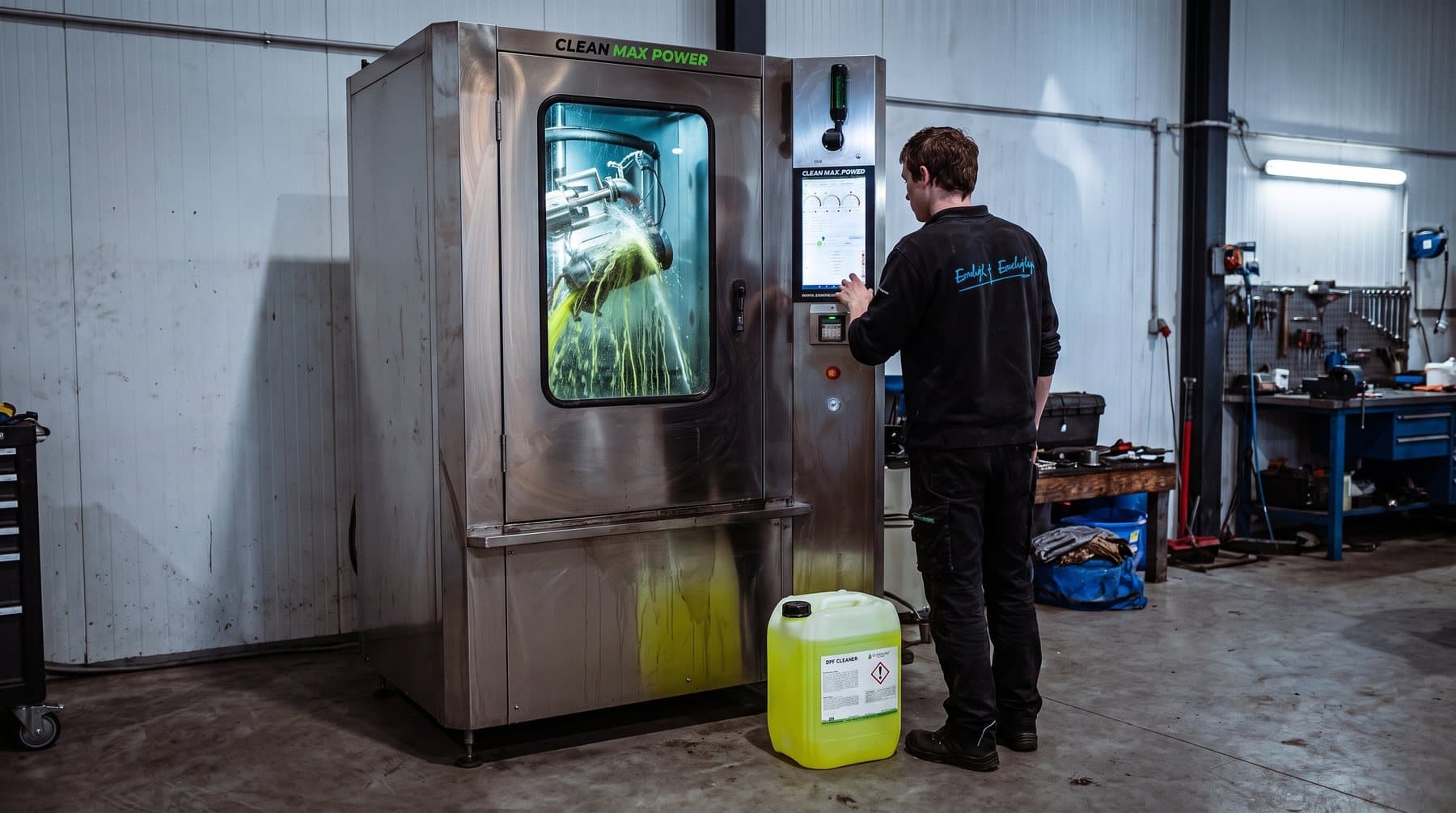
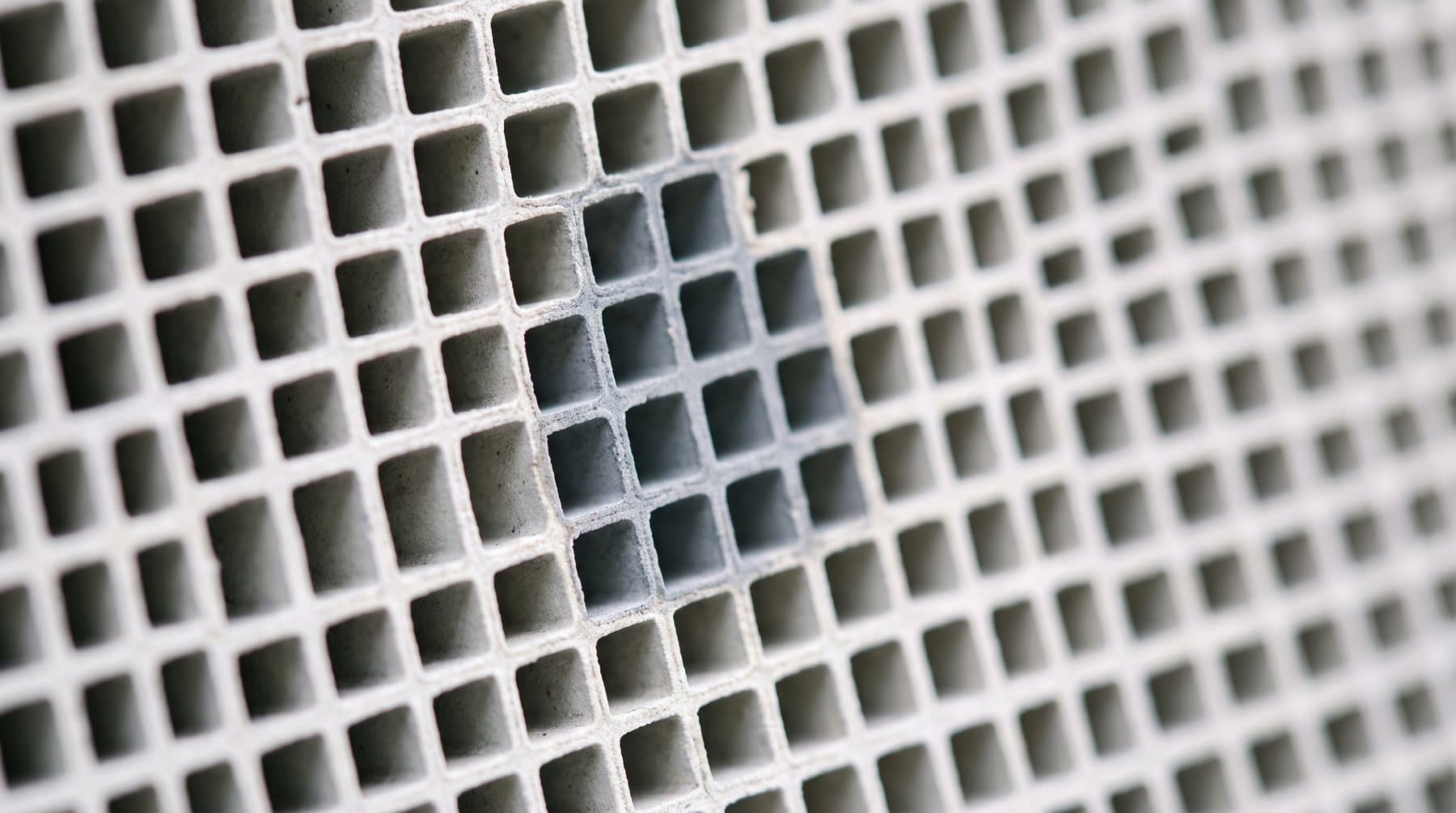
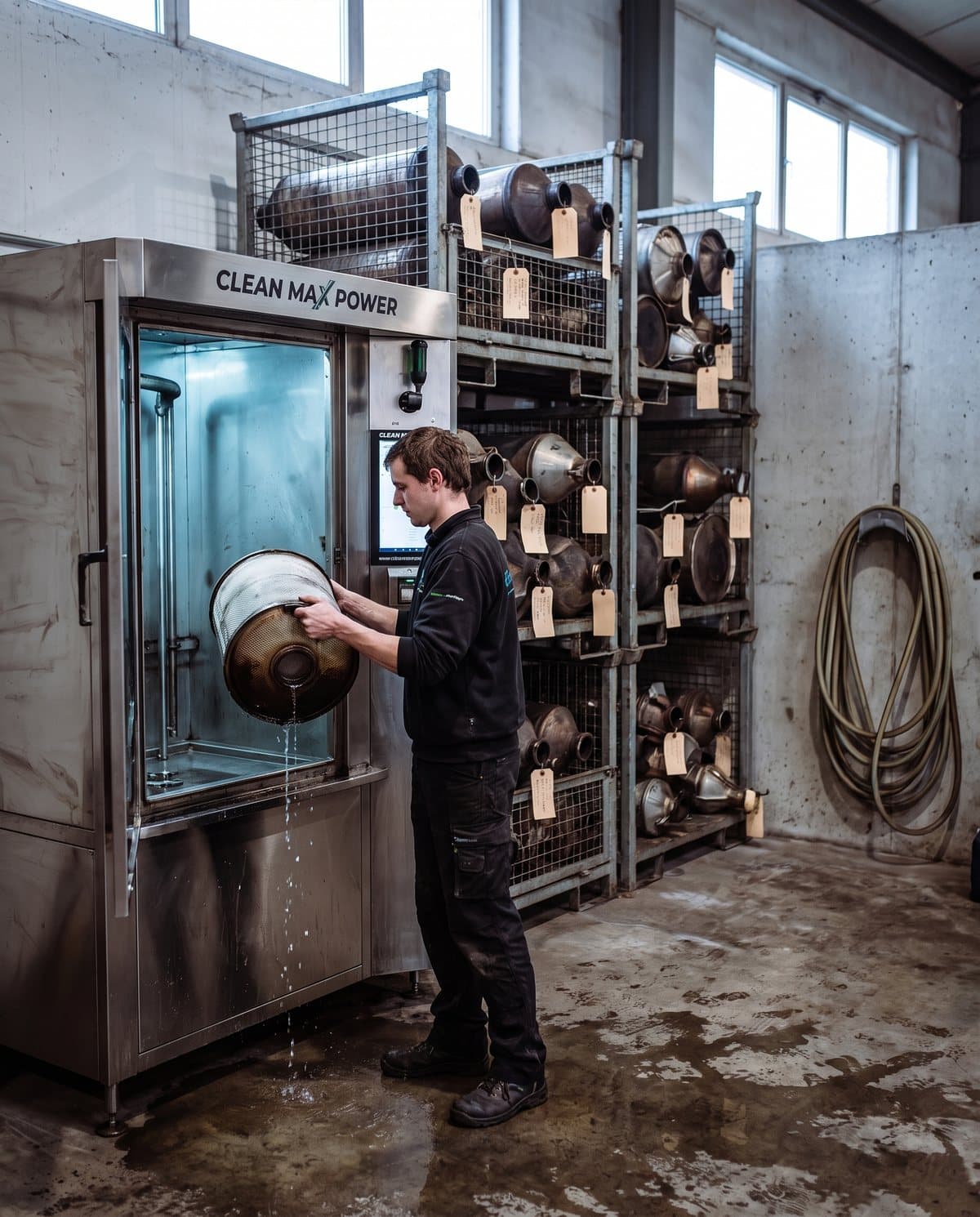
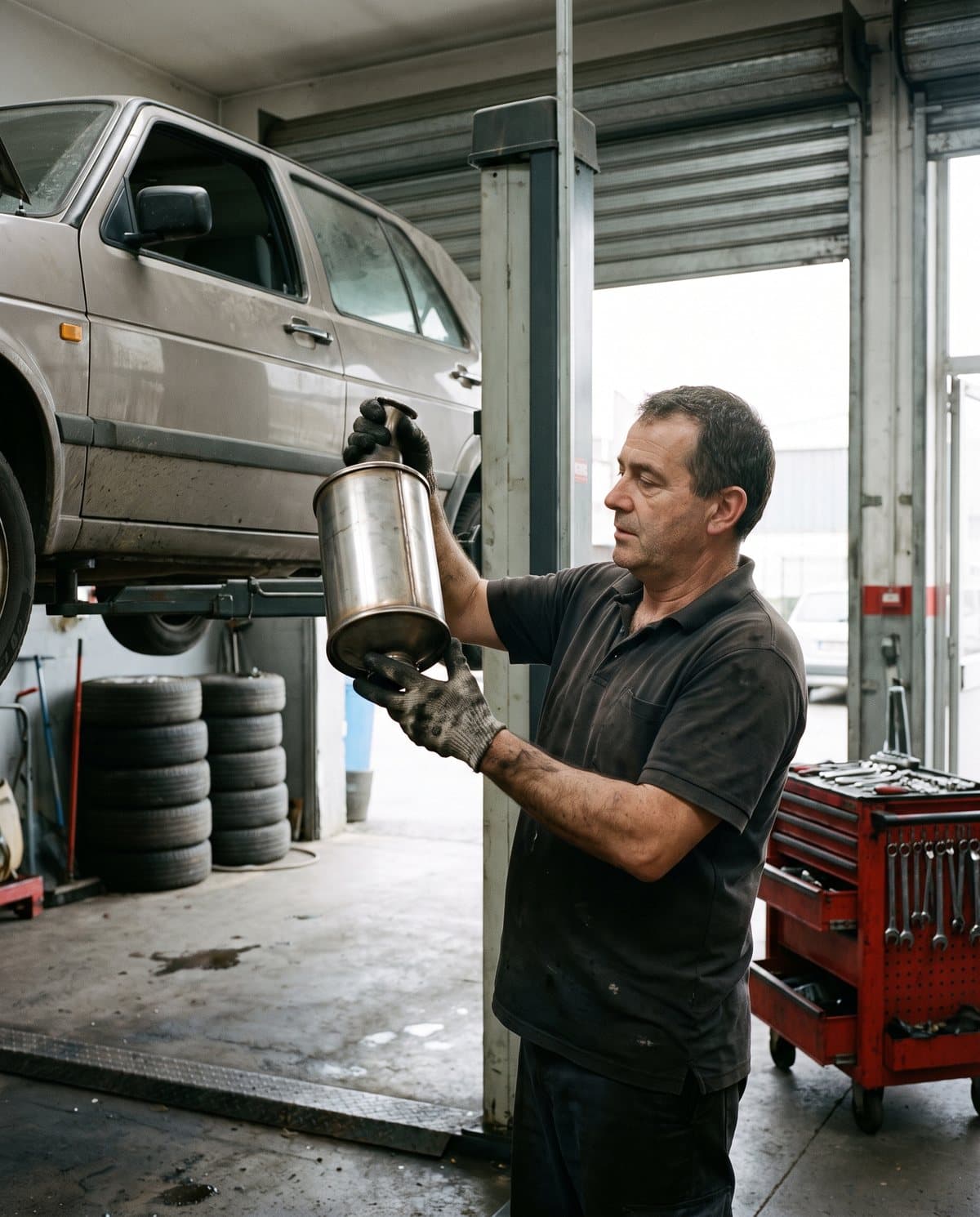
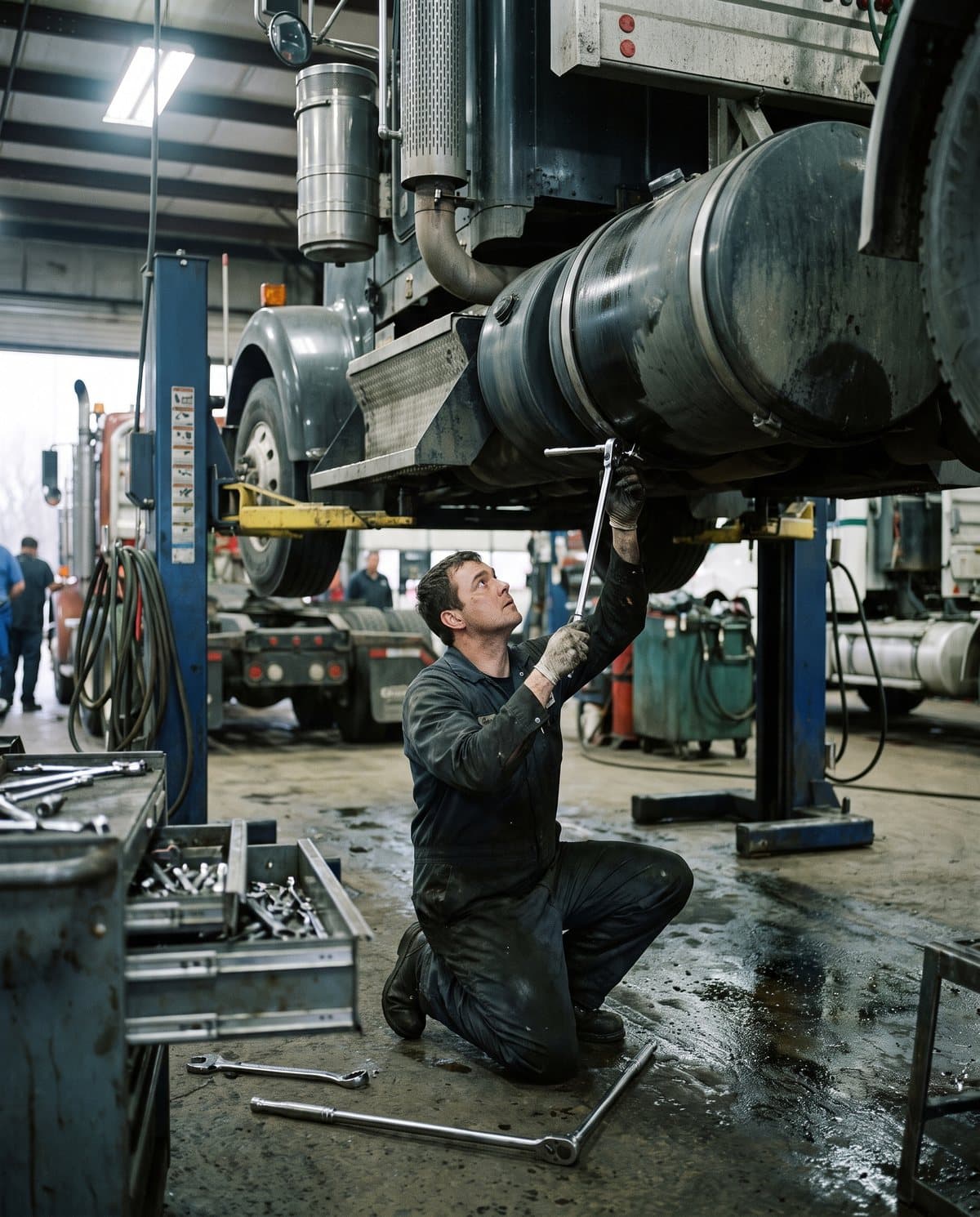
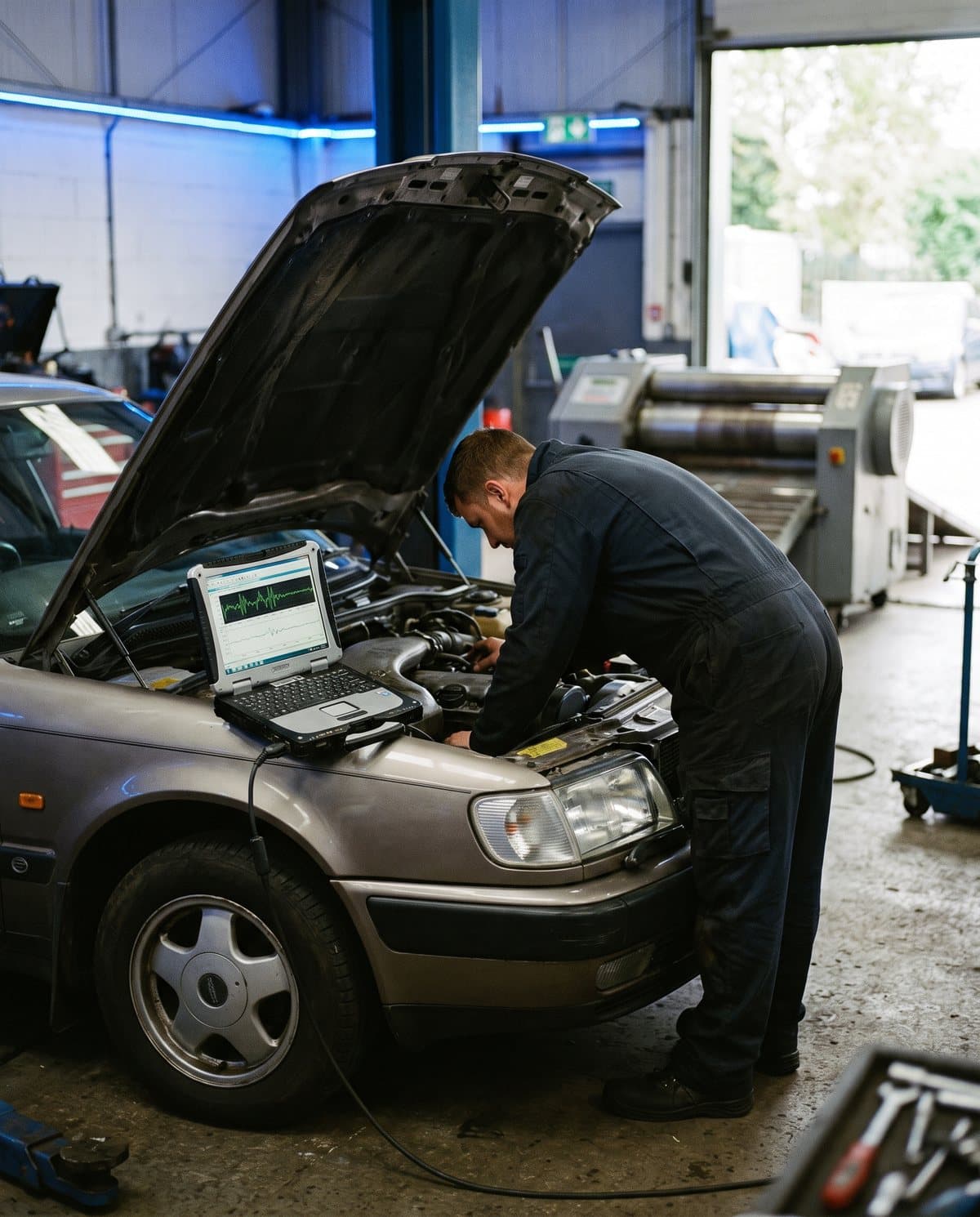
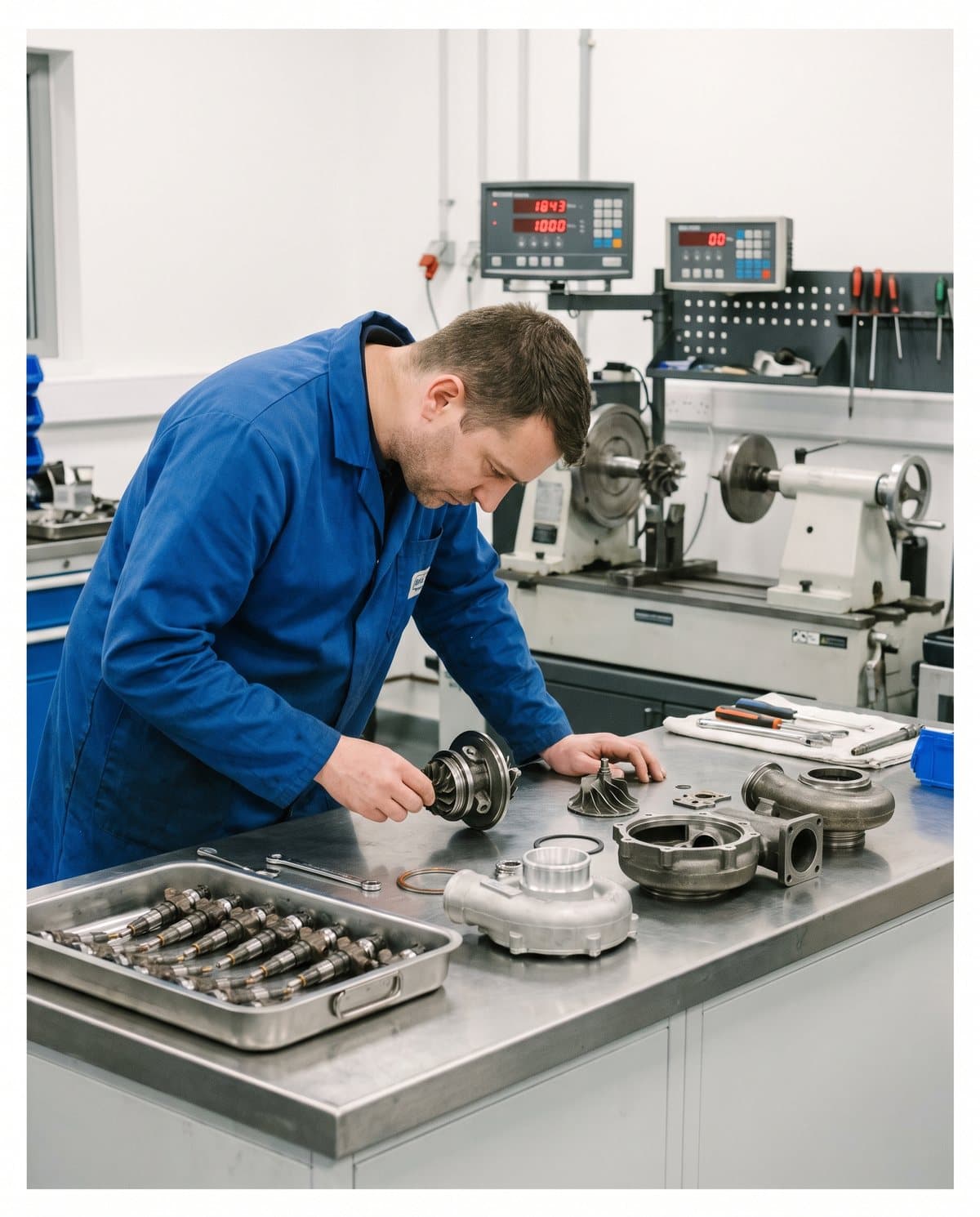
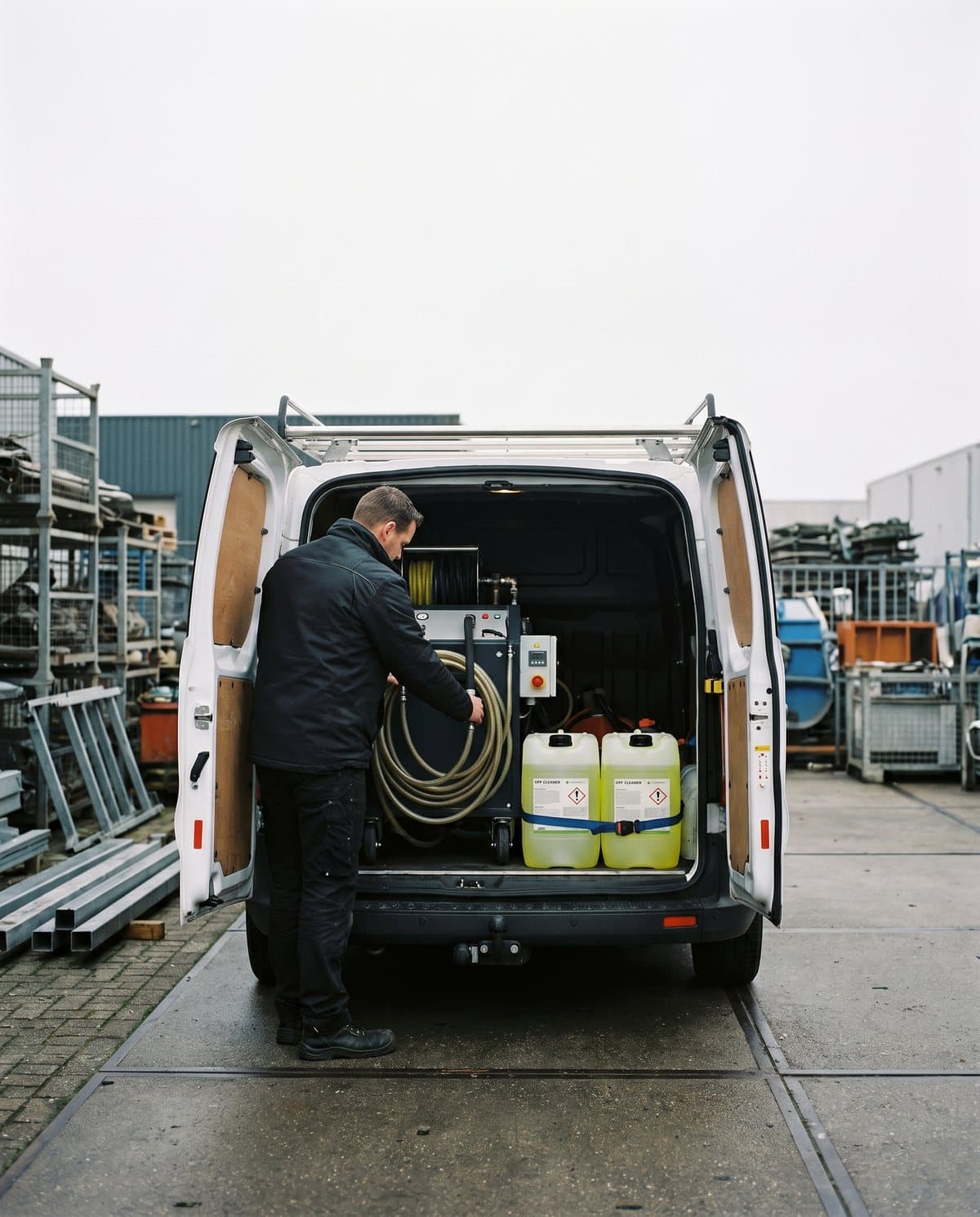
Four shots from workshops that use this product. Not a studio: this is what it looks like on the bench.
Specifications
Ceramic open again
A particulate filter catches soot and ash. Soot burns off during regeneration, ash does not. That ash builds up until the channels are blocked, and that is where this product starts work.
- Dilution
- 1:10down to 1:5 for heavy fouling, always in warm water
- Dwell time
- 30-60minutes in a bath at 60 to 70 degrees
The hard numbers.
- Foaming
- None
- Product form
- Liquid concentrate, water-based
- Colour
- Fluorescent yellow
- Character
- Alkaline
- Dilution
- 1:10 to 1:5
- Working temperature
- 60 to 70 °C
- Dwell time
- 30 to 60 minutes
- Suitable for
- Ceramic and metal filter elements, catalysts, SCR units
- Pack sizes
- 1, 5, 10, 20, 200 and 1000 litres
- Private label
- Possible from a fixed annual volume
- Production
- The Netherlands
Applications
Where the filter blocks up.
- Filter cleaning as a service
- Car garages and independent workshops
- Truck and commercial vehicle service
- Tuning, remapping and diagnostics
- Turbo and engine rebuilders
- Mobile cleaning services
How it works
How to use it.
Most workshops clean in a DPF machine: the filter goes into the cabinet, the machine mixes and heats the liquid and forces it through the channels under pressure. If you work with an immersion bath, the dosing is the same, you just let it stand instead of jetting.
- 01
Remove the filter and blow it out dry
Blow the filter out dry with compressed air first, against the direction of flow. The loose soot that comes out then does not have to be dissolved. Measure the back pressure so you know where you started.
- 02
Fill and dose
Fill the machine tank with water and add the concentrate: 1:10 for normal fouling, 1:5 for filters that have run on for a long time. The machine holds it at 60 to 70 degrees; cold water costs considerably more time.
- 03
Run the programme
Put the filter in the cabinet, clamp it and start the programme. The machine forces the liquid through the channels under pressure and circulates it. Count on 30 to 60 minutes; for heavy fouling let it run longer rather than dosing higher.
- 04
Rinse and dry
Rinse with clean water until the rinse water stays clear, in the direction of flow. Then dry it fully with warm air and measure the back pressure again before the filter goes back on the vehicle.
In the bath or the ultrasonic tank too.
Rebuild shops often work the other way round: parts go into a heated immersion bath or an ultrasonic tank. Same dilution, you just let it stand instead of jetting. Count on a longer dwell time, 60 to 70 degrees, and a rinse with clean water.
From the field
How it goes in the workshop.
Tap a company to see where the product sits and what happens with it.
Questions
What customers ask.
Usually yes, as long as the ceramic element is intact. A filter that is cracked or melted will not be revived by any cleaner; you see that when you blow it out and measure it.
By application
Read more per job.
- Fluid for DPF cleaning machinesDosing, temperature and dwell time for the machine tank.
- Truck, agricultural and plant filtersLarger filters and larger tanks, the same dilution.
- SCR and catalytic converter cleaningThe same fill, a longer dwell for urea deposits.
- Additive or professional cleaningWhere a fuel additive stops and a wash fluid starts.