DPF, catalyst and SCR
SCR and catalytic converter cleaning with one fluid
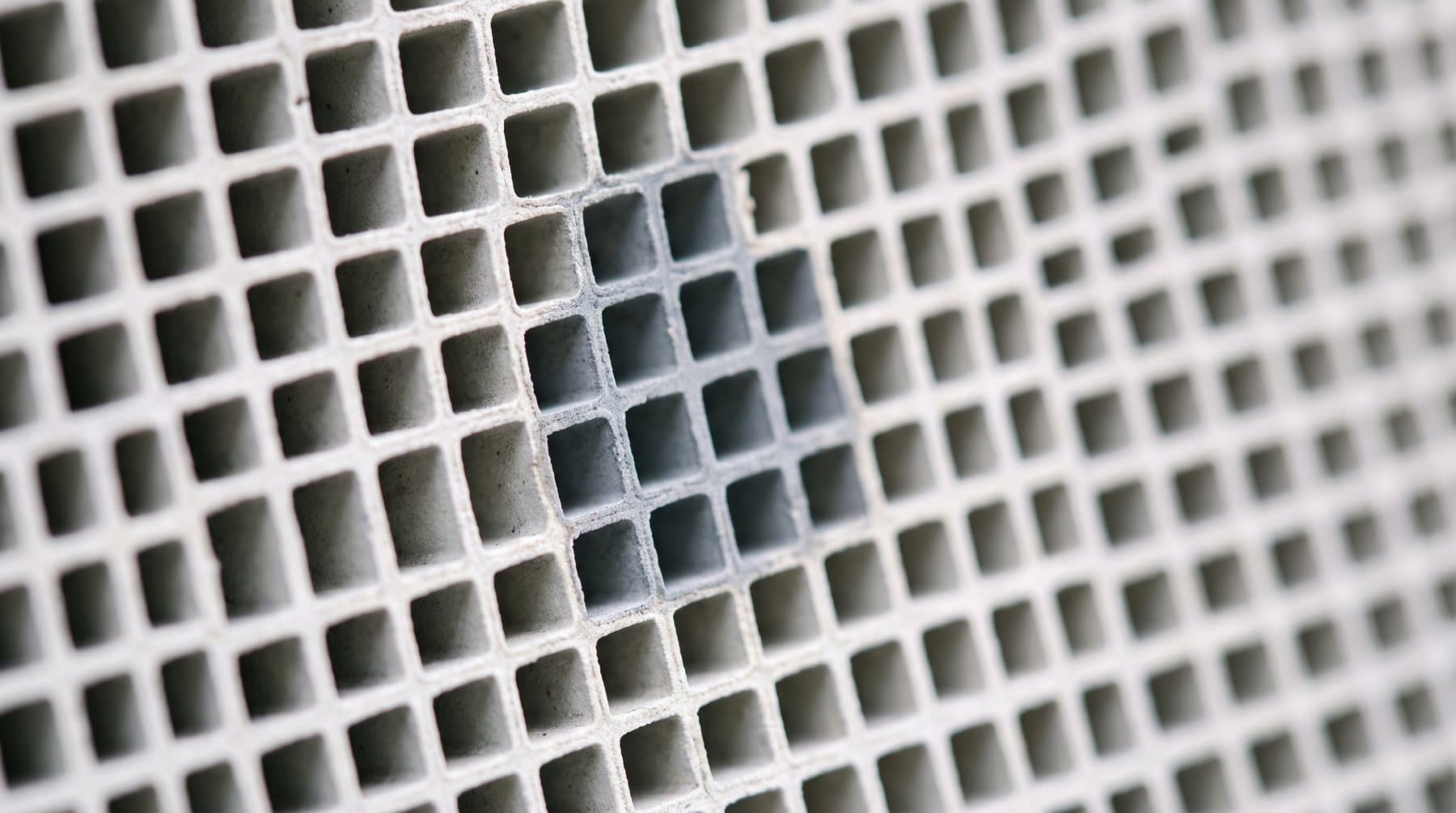
If you clean particulate filters, the catalysts and SCR units that come in with them do not need a second chemical. DPF Cleaner handles soot, baked-on combustion residue and urea deposits with the same method: in the machine or in a heated bath, at the same dilution, with a dwell time that depends on the fouling.
- Dilution
- 1:10 to 1:5
- Working temperature
- 60 to 70 °C
- Dwell time
- 30 to 60 min
- Foaming
- None
One product on the shelf
One concentrate for DPF, catalyst and SCR means one product to stock, one safety data sheet to sign off and one dilution on the board. The only thing that changes per part is how long it stays in.
Urea deposits on SCR units
SCR units come in with urea deposits from AdBlue as well as soot. The method is the same as for a filter: blow out the loose material, put the unit in the heated machine or bath at 1:10 or 1:5, let it work and rinse with clean water.
The dwell time differs per type of fouling. Check the unit and give heavy deposits more time rather than a stronger mix.
Loose parts in the same fill
Anything with soot or baked-on combustion residue that you can submerge can go through the same fill: exhaust sections, turbo parts, grilles and housings. Rebuild shops often do this in an immersion bath or an ultrasonic tank, at the same dilution.
Catalyst or SCR unit, step by step
- 01
Inspect and blow out
Check the substrate for cracks or melting, then blow out the loose material dry with compressed air.
- 02
Dose
1:10 for normal fouling, 1:5 for heavy deposits. Machine or bath at 60 to 70 °C.
- 03
Let it work
30 to 60 minutes as a starting point. Heavy urea deposits get more time, not a stronger mix.
- 04
Rinse and dry
Rinse with clean water until it runs clear and dry fully with warm air before the part is refitted.
What it does not do
- It does not repair a cracked or melted substrate.
- It does not replace diagnosis of the dosing system or the sensors on the vehicle.
- It is never added to the AdBlue tank or the fuel tank.
- It should not stand undiluted on aluminium or painted parts.
Trial and prices
Run it in your own machine.
Start with a trial at your usual programme, next to what you use now. The technical data sheet and the safety data sheet come with it. Prices below come straight from our catalogue.
- Shipped within 5 working days
- Technical and safety data sheets included
- Produced in the Netherlands
Trial: DPF Cleaner Bottle 1 L
€12.50 excl. VAT€15.38 incl. VAT
Concentrate per 100 litre tank
- At 1:10: 10 litres of concentrate, from €31.50
- At 1:5: 20 litres of concentrate, from €63.00
Concentrate from €3.15 per litre excl. VAT, depending on pack size and quantity. Excluding VAT, at the lowest tier price. The order block shows the exact price per pack size.
Questions
What filter cleaners ask.
Can I clean the DPF, the catalyst and the SCR unit in the same tank?
Yes. It is the same method and the same dilution. Only the dwell time differs per type of fouling.
Does it remove urea deposits?
Yes, SCR units with urea deposits are one of the applications. Heavy deposits get a longer dwell time rather than a higher dose.
Does an alkaline fluid damage the substrate?
Not at the recommended dilution and dwell time. What you avoid is using it undiluted, and leaving it on aluminium or painted parts.
Which pack sizes are there?
1, 5, 10, 20, 200 and 1000 litres. The price per litre drops with the volume; the order block shows it per pack size.
Applications
Other jobs for the same concentrate.
- Fluid for DPF cleaning machinesDosing, temperature and dwell time for the machine tank.
- Truck, agricultural and plant filtersLarger filters and larger tanks, the same dilution.
- Additive or professional cleaningWhere a fuel additive stops and a wash fluid starts.
- DPF CleanerPrices, pack sizes and ordering